

Bordeaux 2022: Vintage Profile
I often feel that the section on climatic conditions can seem rather dull, but it matters. Without understanding the growing season, the character of the wines makes rather less sense. Mercifully, 2022 is a comparatively straightforward vintage to explain from a weather perspective.
“The 2022s are some of the most memorable young wines I have ever tasted in Bordeaux.”
Antonio Galloni on Bordeaux 2022
Winter 2021-2022 was cool, dry and largely uneventful, which in viticulture is often exactly what one hopes for. A moderate, dry spring followed, leaving the vines in excellent health and encouraging an early flowering. May and early June then brought warm, though not excessive, temperatures, with a little timely rainfall helping to replenish water reserves before the more severe heat arrived.
It was the period from late June through to August that truly defined the vintage. Temperatures exceeded 40 degrees celsius, and there were more days above 30 degrees than in any Bordeaux vintage previously recorded. Drought conditions led to very small berries, and with them came concentrated fruit, thick skins, and a high skin to juice ratio. In practical terms, that meant ripe fruit, reduced yields, and the potential for formidable tannic structure.
There have been some rather lazy comparisons with 2003, understandable perhaps given the heat, but ultimately misleading. Viticulture and winemaking have moved on considerably since then, especially in terms of extracting ripe tannin with more finesse and restraint. As a result, 2022 is markedly better balanced than 2003.
In truth, 2022 is a rather remarkable hybrid. There are echoes of 2010 and 2016 in the structure and authority of the tannins, but also shades of 2009, 2018 and 2019 in the ripeness and generosity of fruit.
The Wines
I was considerably happier with the wines of the Left Bank than those of the Right. Speaking with proprietors and winemakers, the key distinction seemed to be that the Right Bank did not benefit from the same helpful June rainfall as many sites further west. In consequence, they found it more difficult to regulate the ripening of Merlot.
That is telling. Merlot ripens earlier than Cabernet Sauvignon and Cabernet Franc, so in a year of such heat and drought the challenge of preserving freshness while achieving full physiological and phenolic ripeness becomes considerably greater. In my view, that is why Saint-Emilion and Pomerol, for all their successes, were a touch less consistent than their Left Bank counterparts.
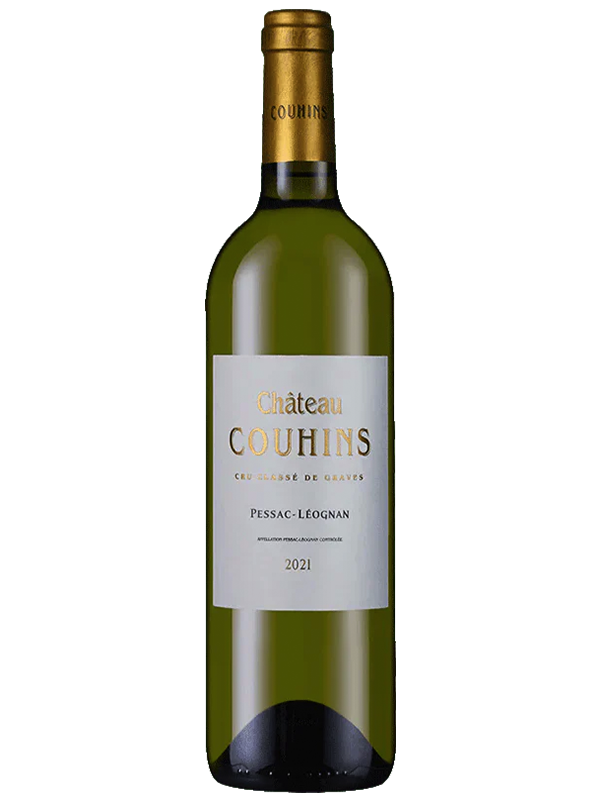
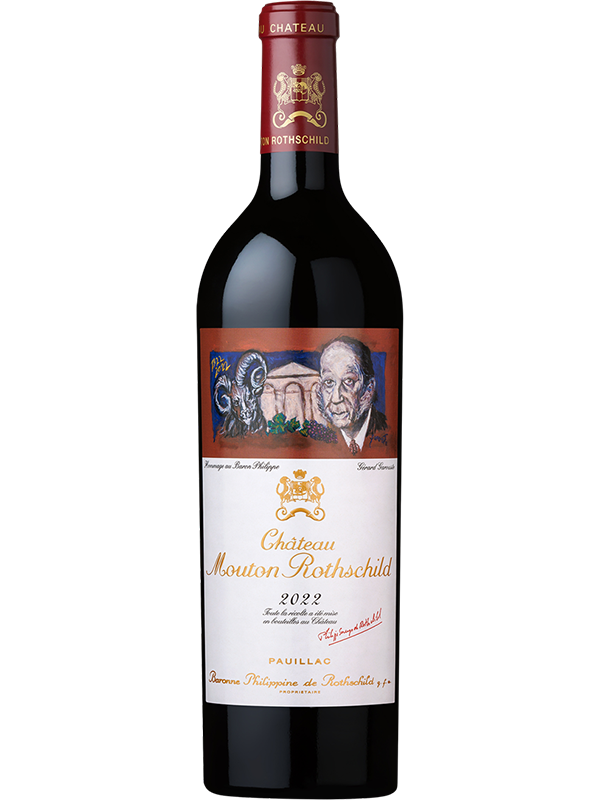
On release, I was especially taken by the wines of Margaux. For such a large and geologically varied commune, the consistency was striking. The best wines combined perfume, suppleness and charm in a manner that felt entirely true to the appellation, albeit with the added intensity of the vintage. There were also excellent wines in Saint-Julien, Pauillac and Pessac-Léognan, but when Margaux is in full song, there are few more charming corners of Bordeaux.
Saint-Estèphe was, as so often, a sterner proposition. The wines are dark, brooding and massively structured, proper winter overcoats of clarets. If there is one appellation from which I would buy and then ignore for a decade, it is this one. With a few exceptions, young 2022 Saint-Estèphes will be unapologetically powerful and, for now at least, more impressive than charming. Patience will not merely be a virtue here, it will be a necessity.
Buying Advice
Those who read my report at the time of release may recall that, given both the style of the vintage and the frankly ludicrous opening prices, I felt more comfortable waiting to buy many of the wines once bottled. My view then was that a patient buyer would probably be able to purchase a good number of them later at similar prices, but with the added reassurance of seeing how they had evolved in bottle and where the market had settled.
That, in large part, has proved to be the case.
Now that the wines are bottled and the market has calmed, I would suggest this is a far more sensible moment to buy Bordeaux 2022 than it was en primeur. It remains a vintage of undoubted quality, but also one where selectivity matters.
“For me personally, it sets a new benchmark for Bordeaux after my first reference vintage for the region from barrel, 1982.”
James Suckling on Bordeaux 2022
I do not quite share the more breathless critical enthusiasm that places 2022 among the very greatest Bordeaux vintages of the last few decades. My reservation is not about the heights the best wines can reach, which are unquestionably very high, but about the consistency across the region as a whole. There is brilliance here, certainly, but not quite the universal authority that some have claimed.
Even so, 2022 is a vintage that will reward intelligent buying. At the grander end, particularly in the northern Médoc, these are often wines to purchase and then leave well alone for many years. At the more affordable end, however, there are wines with enough ripeness and generosity to give pleasure much sooner. As ever in Bordeaux, judgement matters rather more than headline reading.
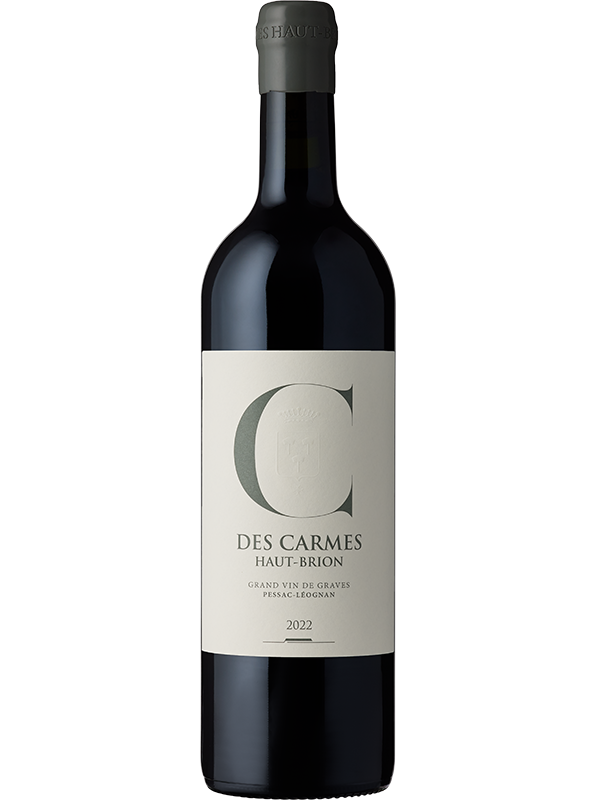
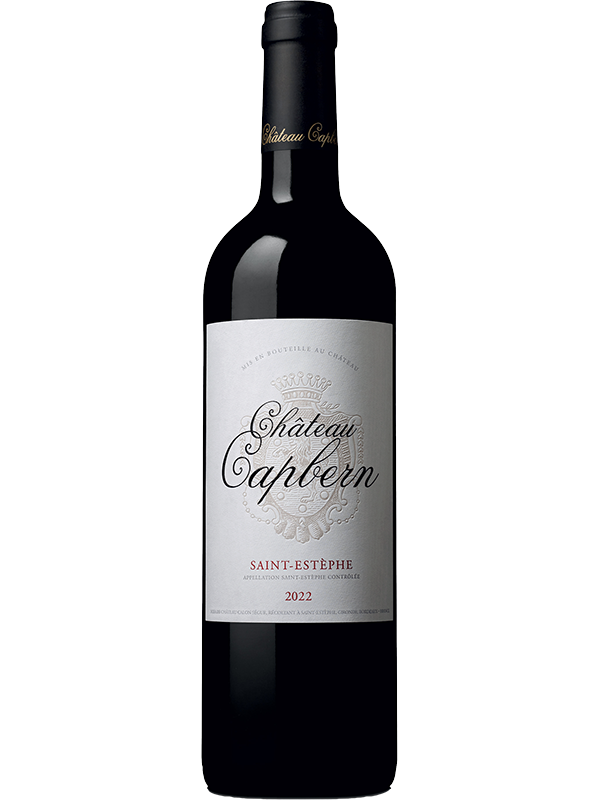
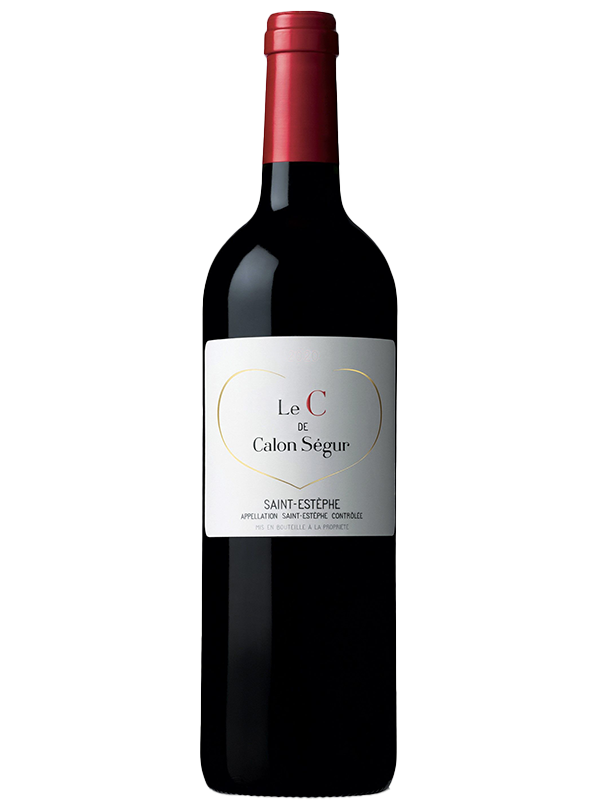
Affordable highlights: Château Capbern, Château Peymouton, Château Marsau, Le C de Carmes Haut Brion, C de Calon-Ségur, Château Tronquoy
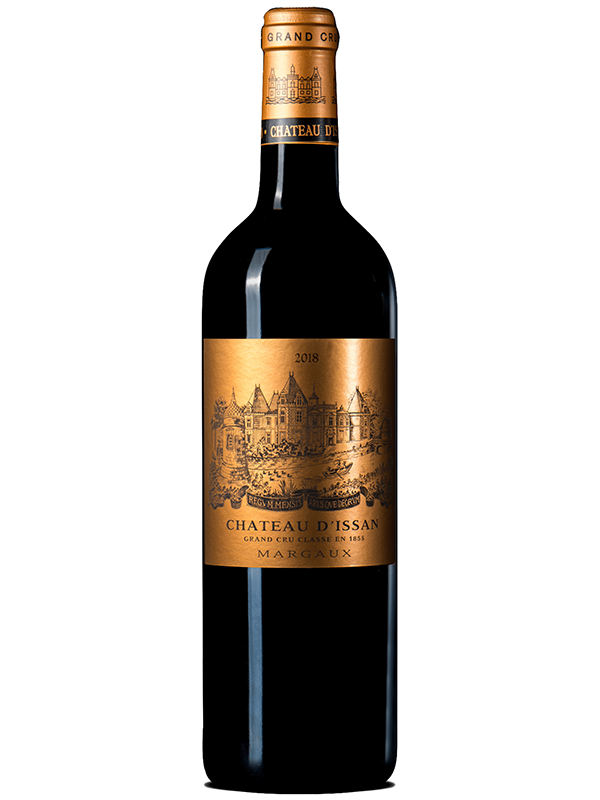
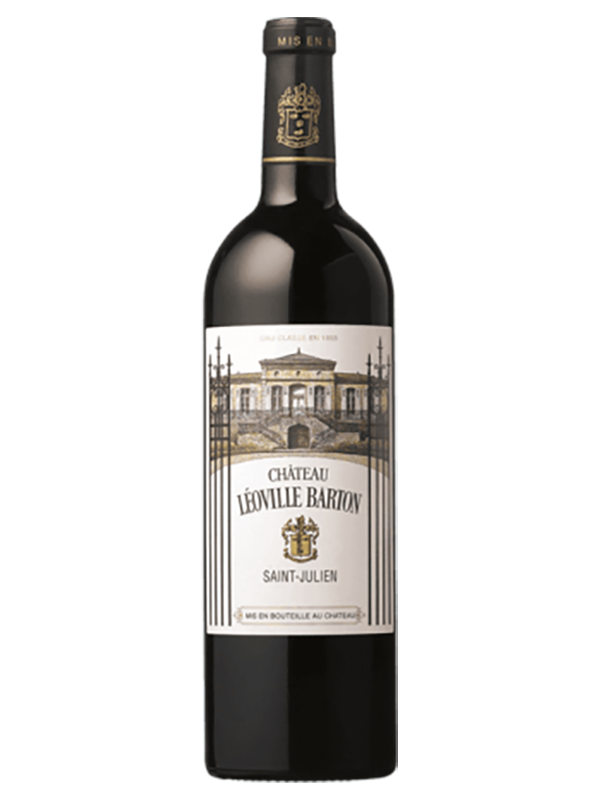
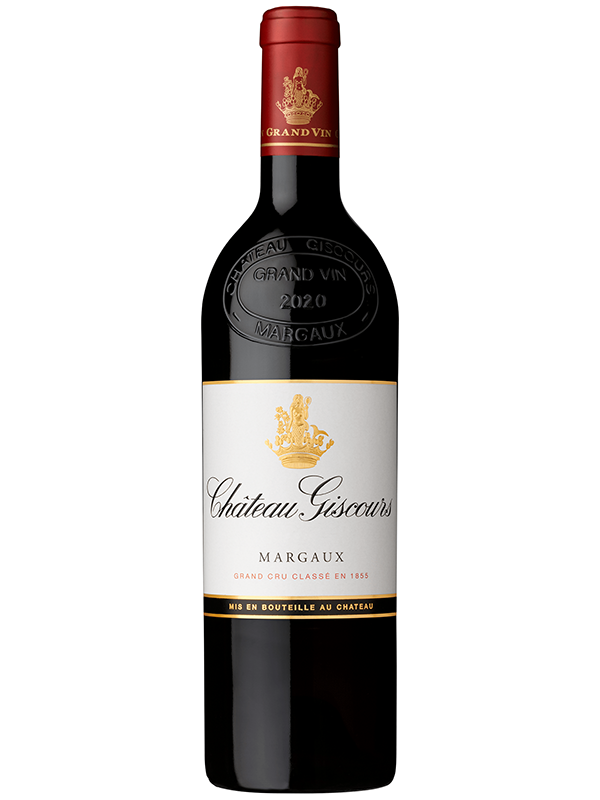
For something rather more special: Château Léoville-Barton, Château d'Issan, Château Giscours, Château Beau-Séjour-Bécot, Château Les Carmes Haut-Brion, Château Branaire-Ducru