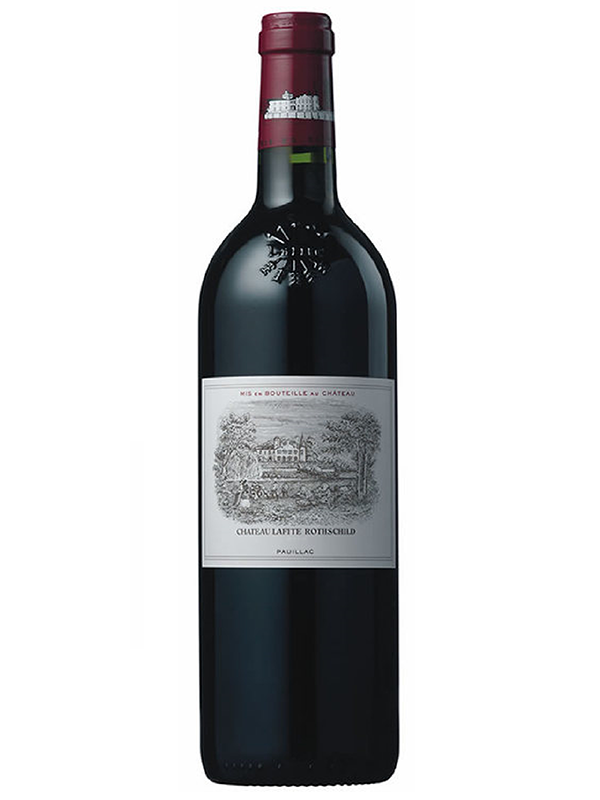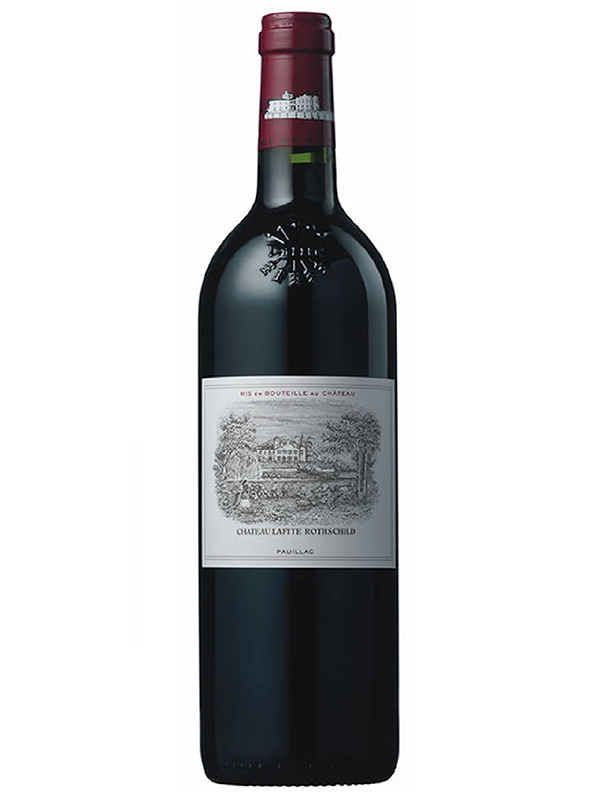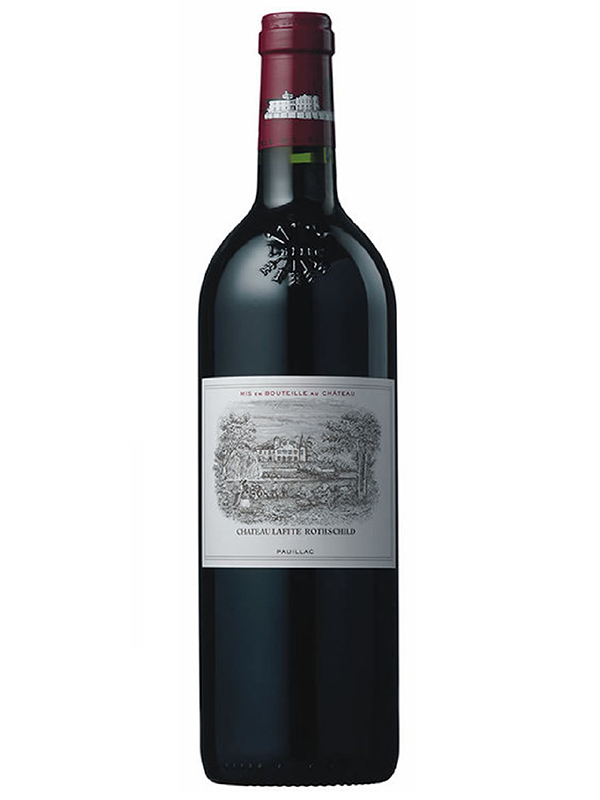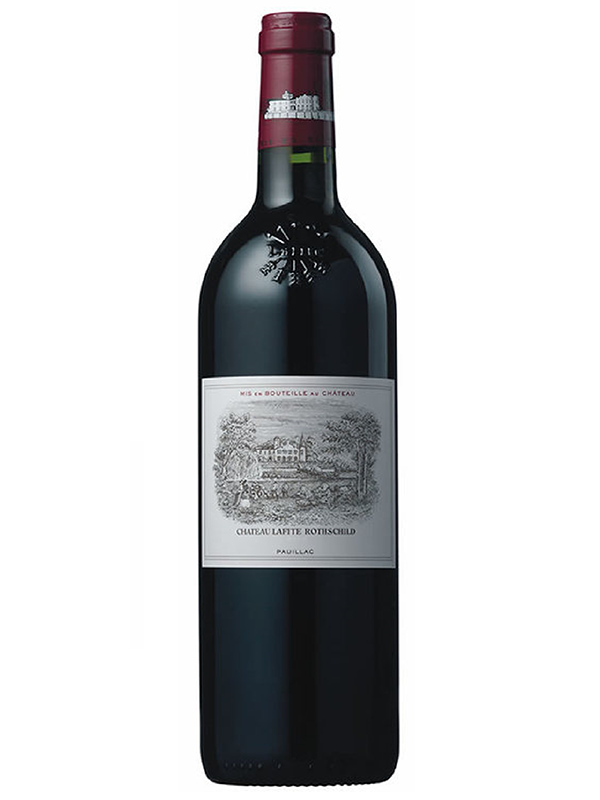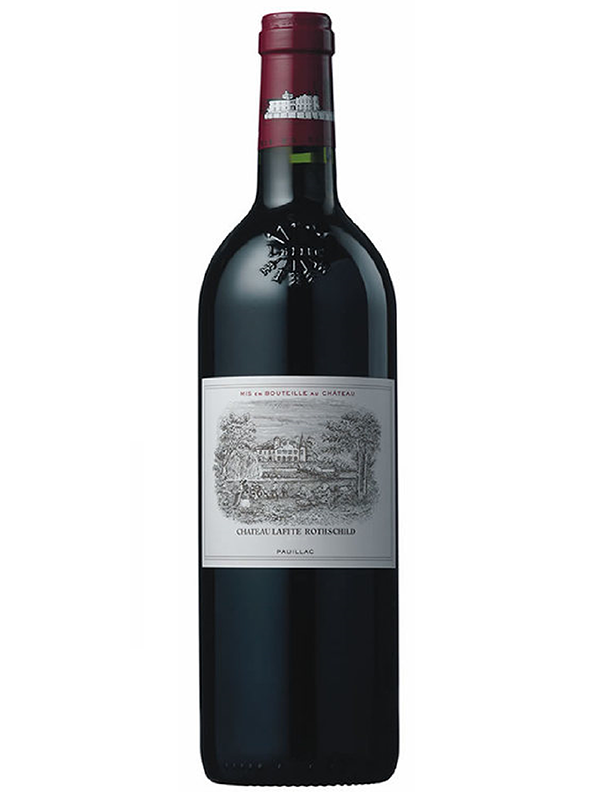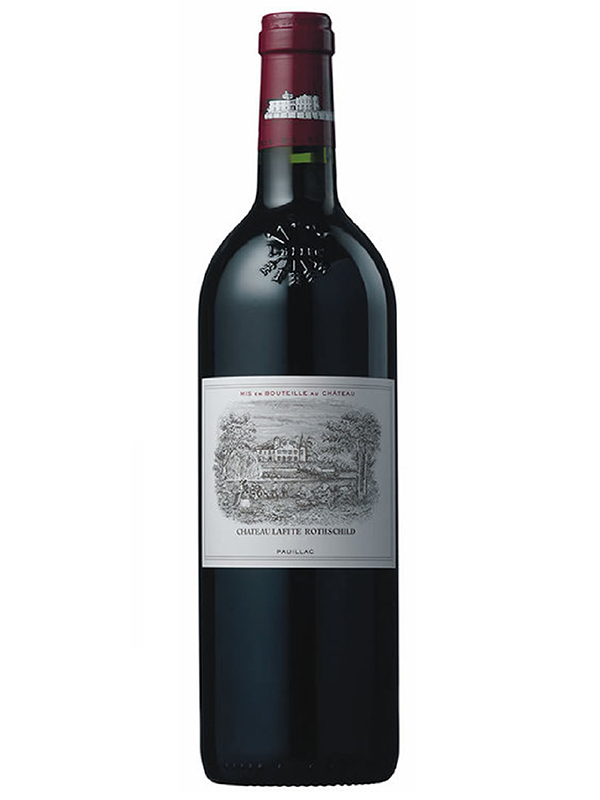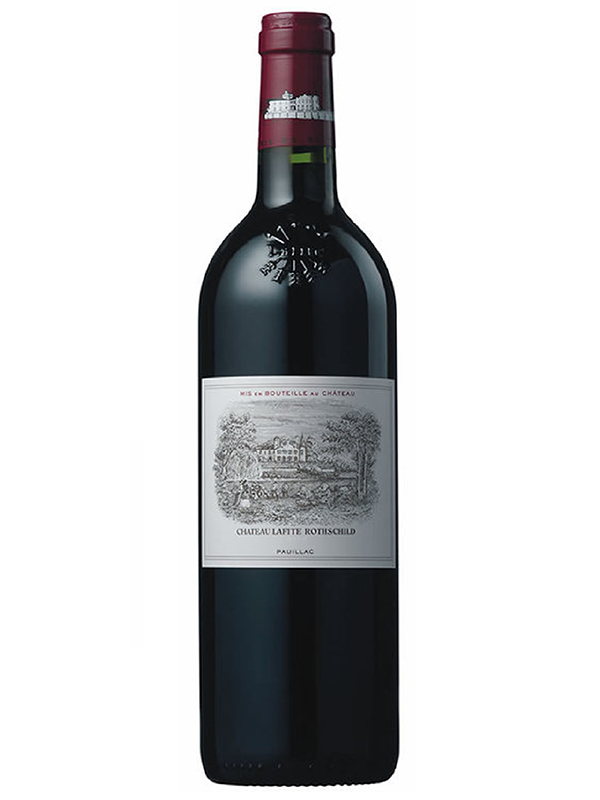


Château Lafite-Rothschild, Pauillac
If Bordeaux has a head boy, it is Lafite. Not the loudest in the room, not the best on the rugby pitch, but the one with impeccable manners, a frighteningly neat blazer, and a knack for being remembered long after the fireworks have fizzled out.
Classified a Premier Grand Cru Classé in 1855, Château Lafite Rothschild sits at the northern end of Pauillac, on those classic Médoc gravel rises that make Cabernet Sauvignon behave like it has had a stern talking-to and a good education. The Rothschild family acquired Lafite in 1868, and have been its custodians ever since.
Style and character
At its best, Lafite is less about sheer force and more about aromatics, proportion, and persistence. The signatures are typically Pauillac, graphite, cedar, blackcurrant, cigar box, and that elusive “cool” note that the Médoc can deliver when everything lines up. It is also one of the great long-distance runners of the wine world: young Lafite can seem almost reserved, then it quietly unfurls over decades rather than years. Whenever I taste it from barrel en primeur, it’s often a case of appreciating how it will develop rather than expecting the flamboyance of say, Château Latour at that stage, it’s one of the reasons Château Lafite often scores a little lower than some of its peers from barrel.
The wines from Lafite-Rothschild
-
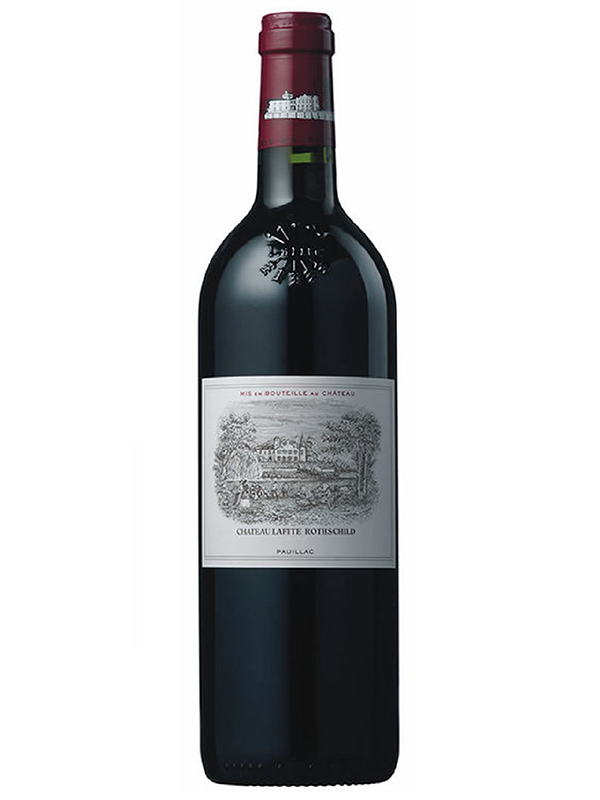
Château Lafite Rothschild (Grand Vin)
The flagship. Cabernet-led in most vintages, and built for serious ageing. -
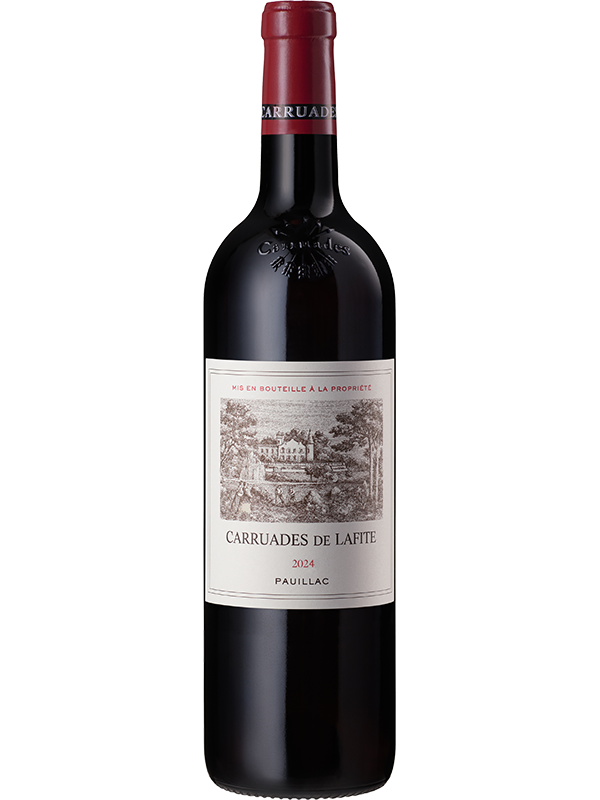
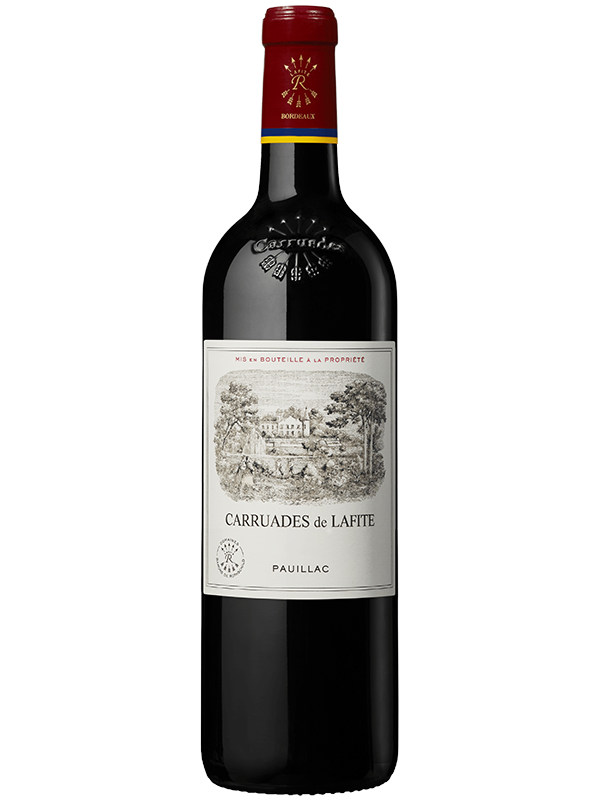
Carruades de Lafite
Lafite’s second wine, offering a more approachable interpretation of the estate’s style in youth, while still unmistakably from the same orbit. -
Anseillan (Pauillac)
A newer label from Lafite, named after a locality on the estate and made as a wine with its own identity rather than a simple declassification. Lafite has described it as a distinct part of the property with a character of its own, and it was widely reported as Lafite’s first new wine label in over a century, created to broaden the ways people can enjoy the château’s winemaking.
The wider Domaines Barons de Rothschild family
Lafite is also the anchor of a small constellation of serious estates and projects, each chosen with a fairly obvious bias towards pedigree.
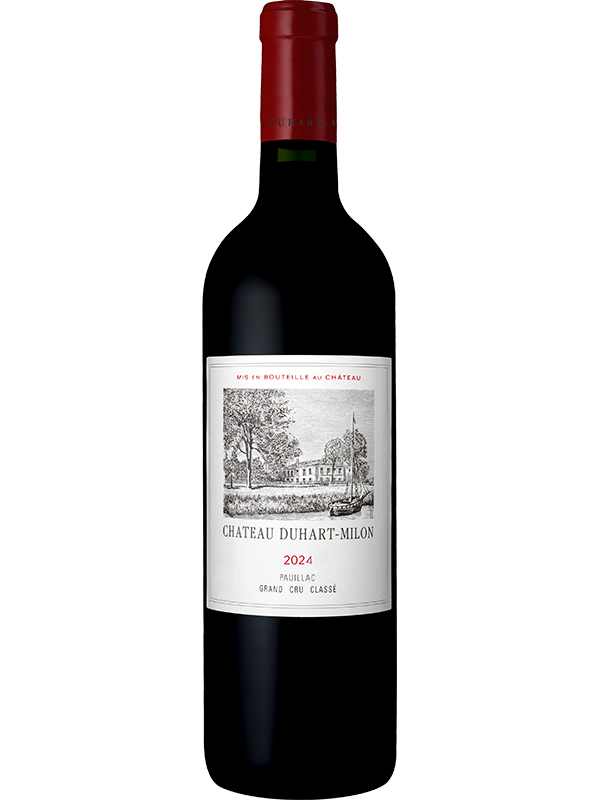
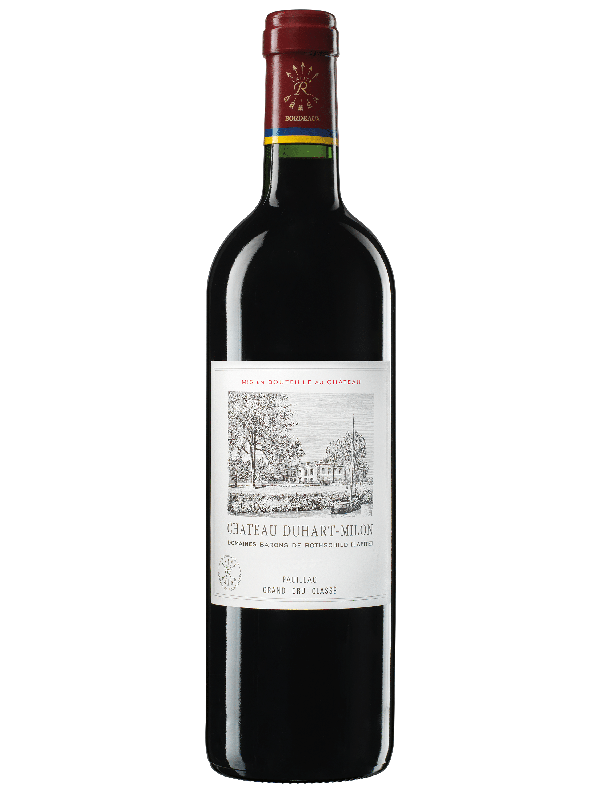
Château Duhart-Milon (Pauillac)
Lafite’s close neighbour and stablemate, Duhart-Milon is a 4eme Grand Cru Classé (1855) and has been under the Lafite umbrella since 1962. In practical terms, it benefits from the same level of technical rigour and long-term investment, and often represents one of the most sensible routes into “Rothschild Pauillac” without selling a kidney.
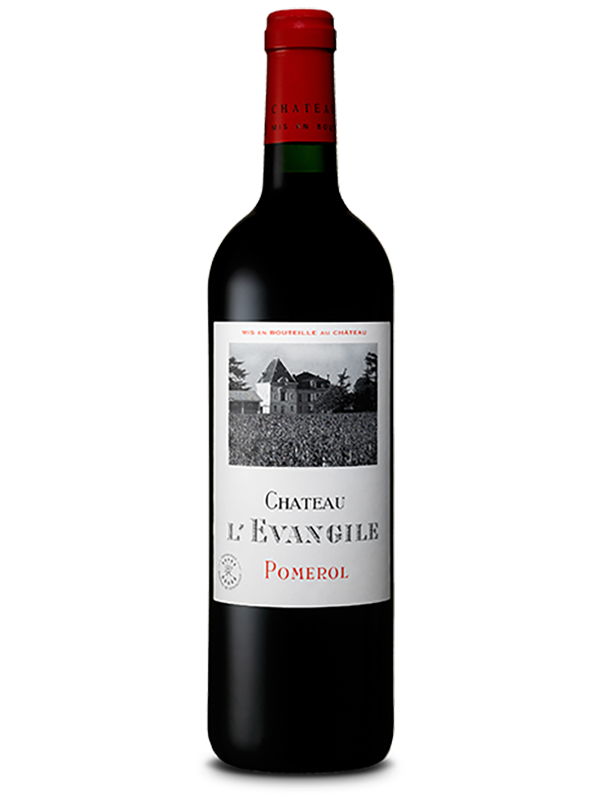
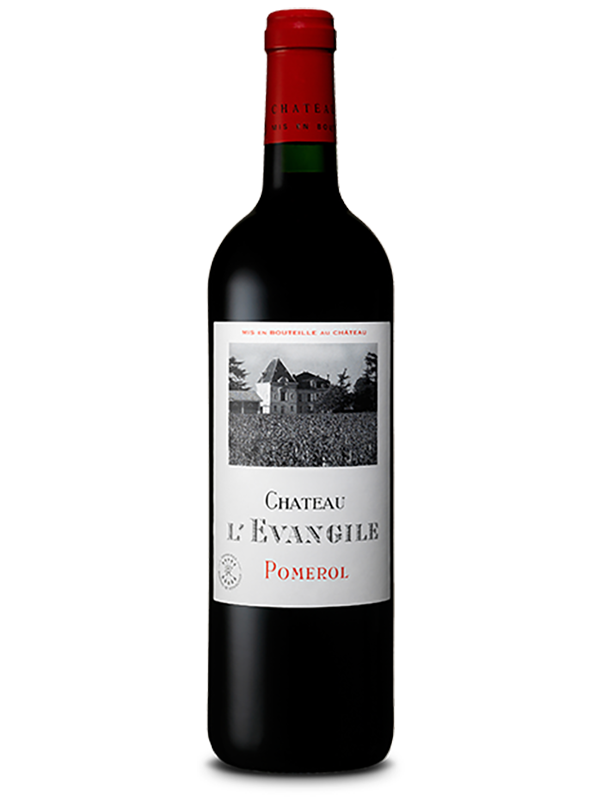
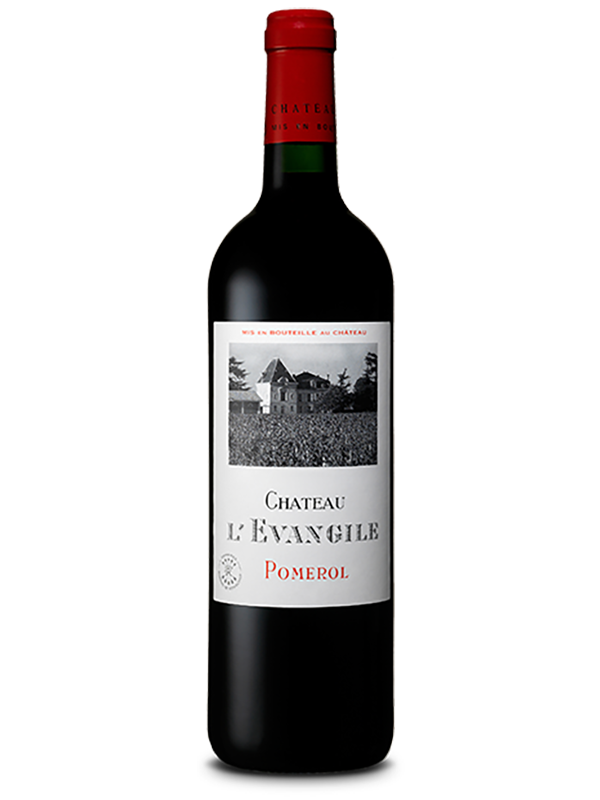
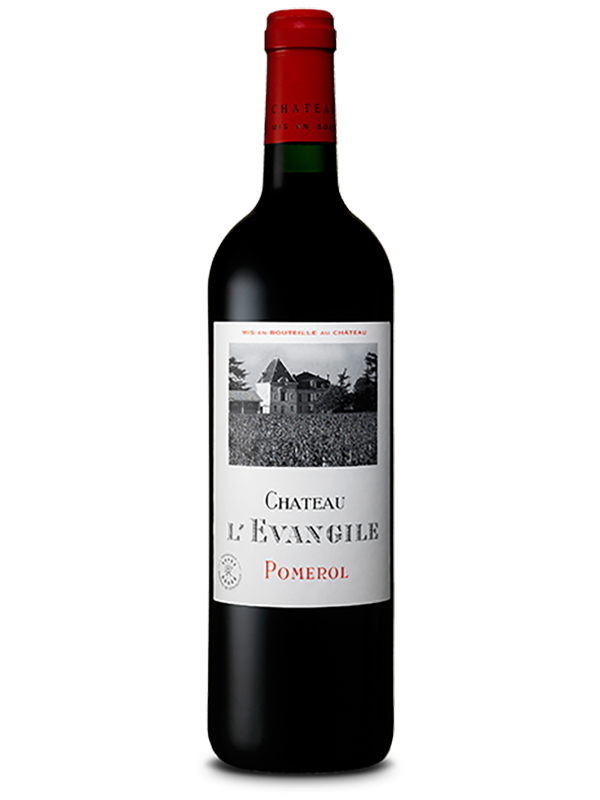
Château l’Évangile (Pomerol)
On the Right Bank, l’Évangile brings a very different dialect:, between Château Cheval Blanc and Vieux Château Certan it has Pomerol richness, typically Merlot-led, with texture and plushness that can be wonderfully exotic. Domaines Barons de Rothschild acquired l’Évangile in 1990, and it has been on a super trajectory since.
Château Rieussec (Sauternes)
For sweet wine, the group’s jewel is Château Rieussec, a Premier Cru Classé in Sauternes, with vineyards that border the village of Fargues and the hallowed ground near Yquem. Rieussec joined the Lafite family in 1984, after which major investment followed, including a new winery built in the vineyard.
Bodegas Caro (Mendoza, Argentina)
Then there is Bodegas Caro, a Franco-Argentinian partnership in Mendoza between DBR and the Catena family. The project was born in 1999, explicitly bringing together the two houses and their emblematic grapes: Cabernet Sauvignon and Malbec. It is one of the more credible “Old World meets New World” ventures, because both sides have considerable pedigree and have been working on this for quite some time, honing the marriage between the two varieties.