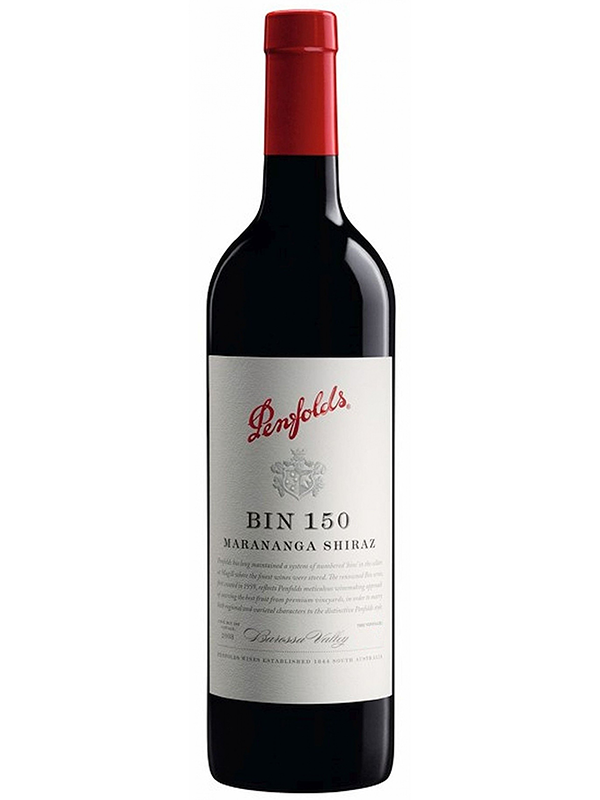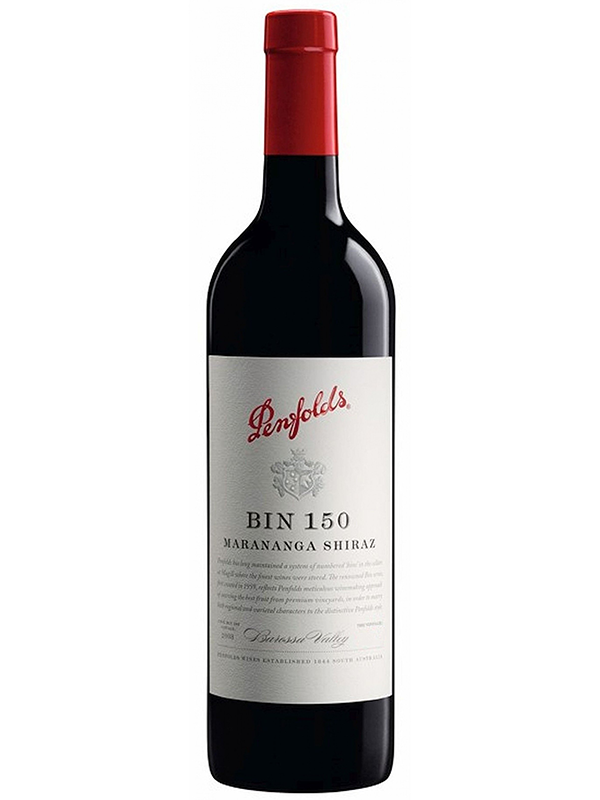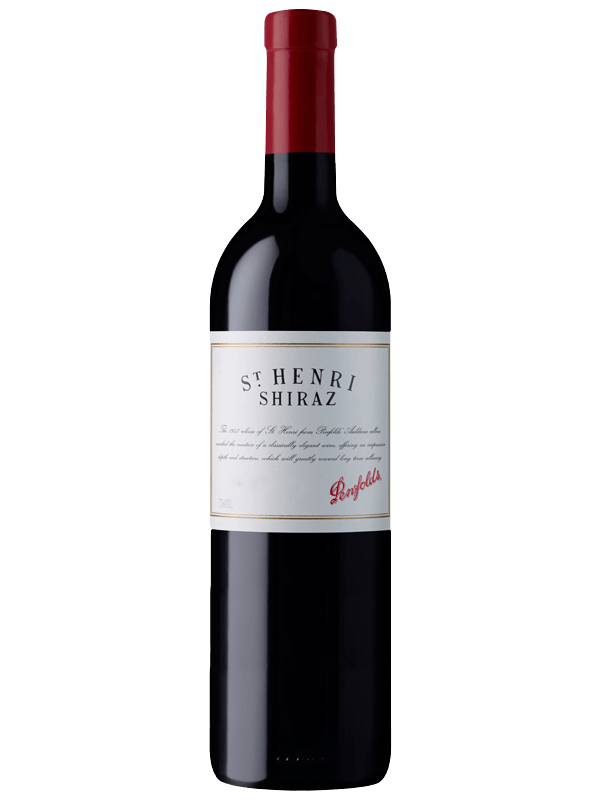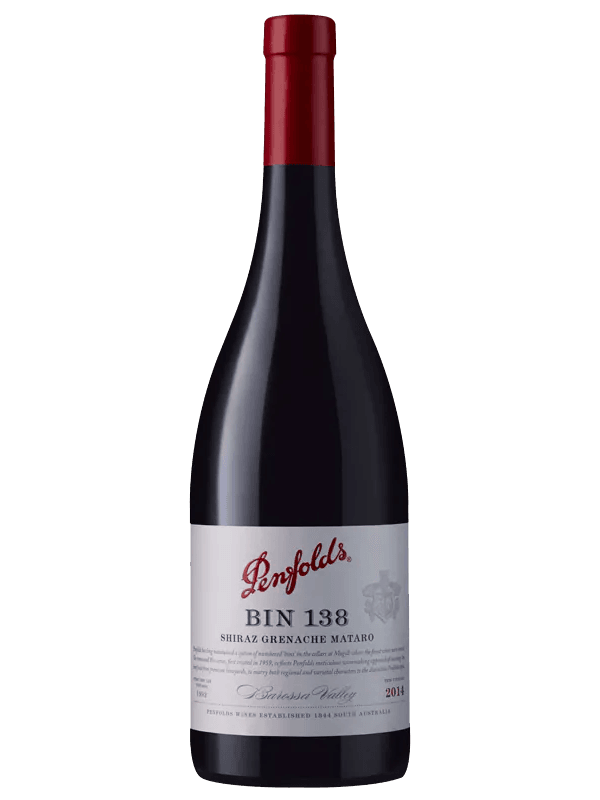


Penfolds, Australia
Penfolds is one of those names that can unfairly suffer from its own fame. Mention it, and someone will immediately mutter “Grange” and then look as if the conversation is over. In reality, the clever buying often starts well below the flagship tier, where the winemaking remains thoroughly serious, but the pricing has not yet wandered off to join the rarified air.
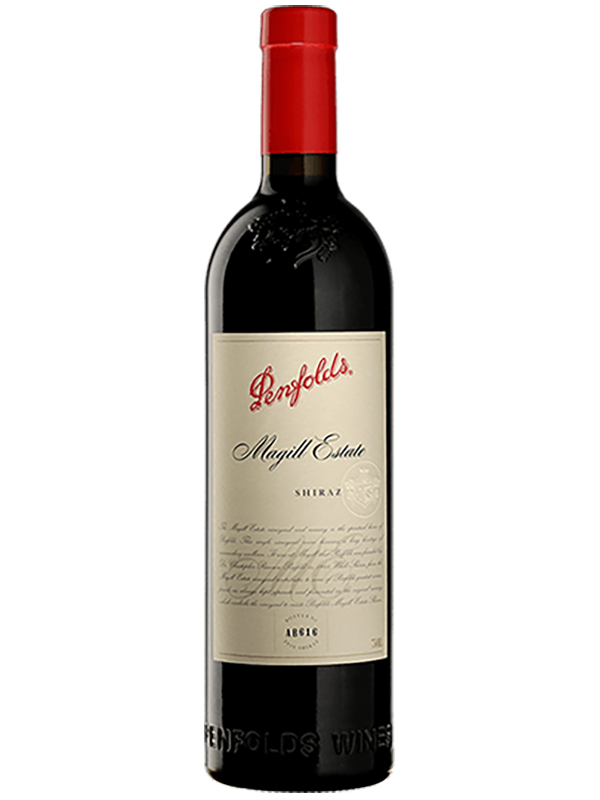
Penfolds began at Magill Estate, founded by Dr Christopher and Mary Penfold in 1844, and it remains a working winery to this day.
House style, and why Penfolds blends like a Champagne house
Penfolds has always thought in terms of house style more than single-postcode purity. That is not a criticism, it is the point. The aim is a recognisable fingerprint: mid-palate richness, fruit generosity, and genuine cellar-worthiness, delivered with remarkable consistency.
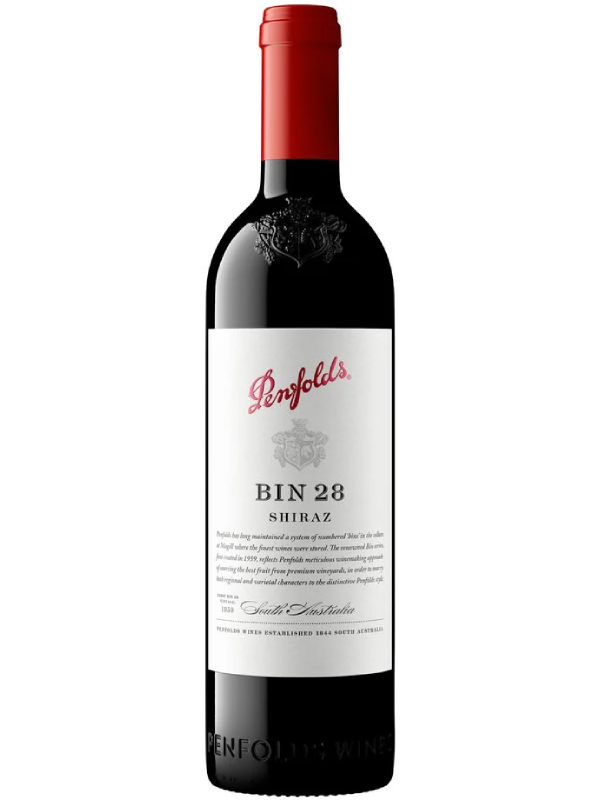
To achieve that consistency, Penfolds often blends across multiple regions and vineyards, selecting components that best fit the “Penfolds stamp” in that vintage. Bin 28, for example, is explicitly multi-region and multi-vineyard, with the Barossa typically well represented. It is rather like a good Champagne house drawing from different villages and reserve wines to keep the style steady from year to year, even when Mother Nature has been in a foul mood.
Peter Gago: custodian, not mere conductor
Peter Gago is central to the modern story. He joined Penfolds in 1989 and became Chief Winemaker in 2002, only the fourth person to hold the role. The language Penfolds uses is telling: custodian rather than auteur. The template is respected, the house style is protected, and innovation is encouraged, but only in service of the tradition, not at its expense.
Penfolds: the key wines, in one line each
- Bin 95 Grange: The flagship Shiraz, built for decades in bottle, combining muscle and majesty, and never remotely shy about either.
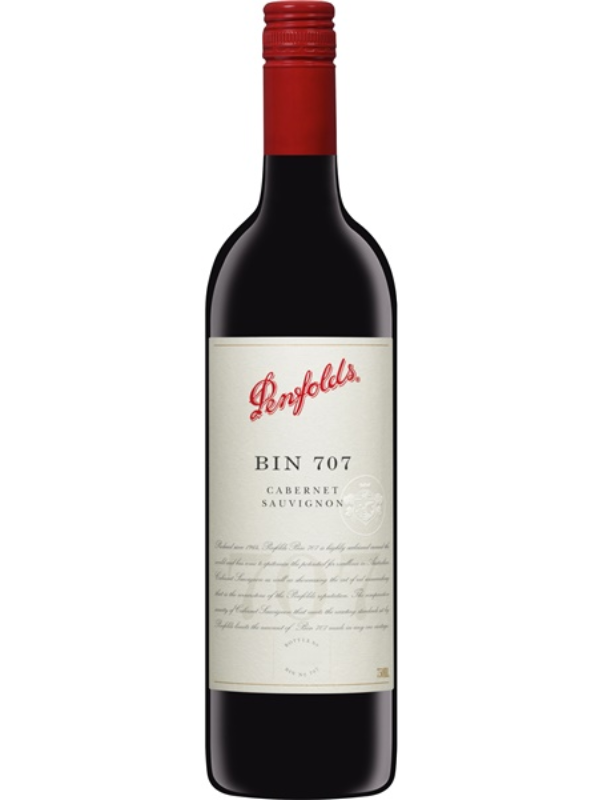
- Bin 707 Cabernet Sauvignon: Penfolds’ top Cabernet Sauvignon, comparable to Grange in structure and prestige.
- RWT Barossa Valley Shiraz: Plush, Barossa-bred and French-oak polished, offering generosity and texture rather than brute force.
- St Henri Shiraz: The traditionalist’s choice, made without new oak, all savoury depth and calm authority, approachable in youth yet capable of ageing superbly.
- Bin 389 Cabernet Shiraz: The famous “Baby Grange”, Cabernet backbone with Shiraz flesh, and historically linked by maturation in old Grange barrels. One of the great all-rounders for drinking or cellaring, and my favourite in their range.
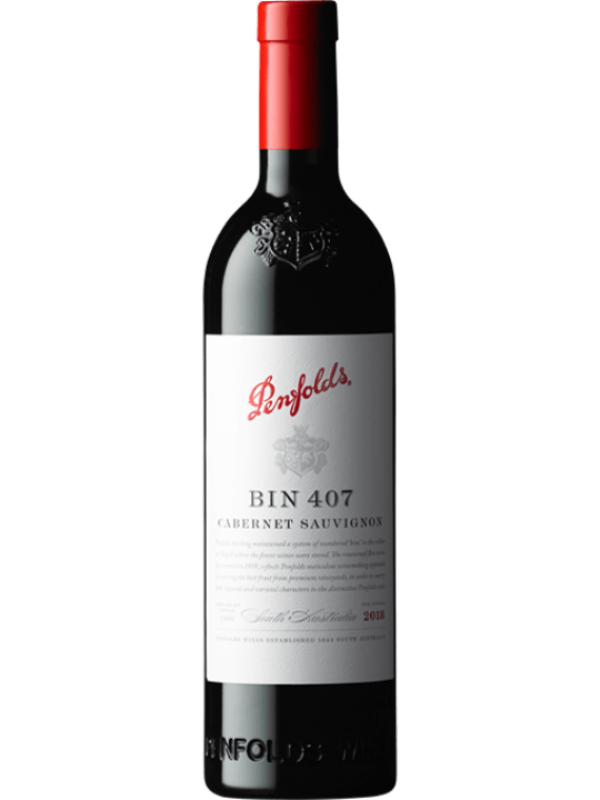
- Bin 407 Cabernet Sauvignon: The more accessible Cabernet sibling to 707, classically structured, cassis-led, and reliably consistent.
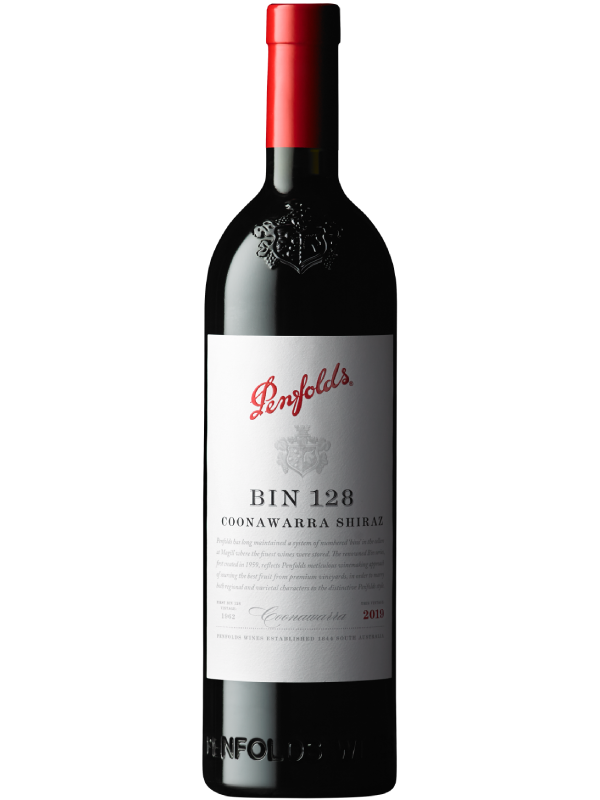
- Bin 128 Coonawarra Shiraz: Cooler-climate Shiraz with lift and peppery detail, tighter and more tailored than the Barossa wines, and notably ageworthy for its modest price point.
- Bin 28 Shiraz: The classic value play, multi-regional Shiraz with ripe fruit and that unmistakable Penfolds gloss, enjoyable young but not afraid of time.
- Yattarna Chardonnay: The modern “white Grange” ambition, taut, precise and long, proving Penfolds can do finesse as well as power.
- Reserve Bin A Chardonnay: The historic white touchstone, rich but controlled, with citrus, spice and a proper, layered finish. I love the balance between richness and acidity here. This is named after a single block each year, hence different numbers preceding the ‘A’.