

Chardonnay
For a certain generation, mine included, the word Chardonnay still carries the faint whiff of trauma. One need only whisper it at a dinner party and watch the older guests flinch, as if recalling a custard-thick goblet of 1990s horror: heavily oaked, tropical fruit-scented, and tasting rather like a Pina Colada served in a timber yard. Frequently Australian, suspiciously cold, yet always strangely warm.
Chardonnay has suffered not through fault of its own, but perhaps at the hands of the overzealous winemaker, more ambitious than subtle. In my view, Chardonnay is the finest white grape variety in the world. Its chameleon-like quality is not a weakness but a virtue, able to shift from taut, mineral austerity to opulent creaminess, depending on where it’s grown and how it’s handled.
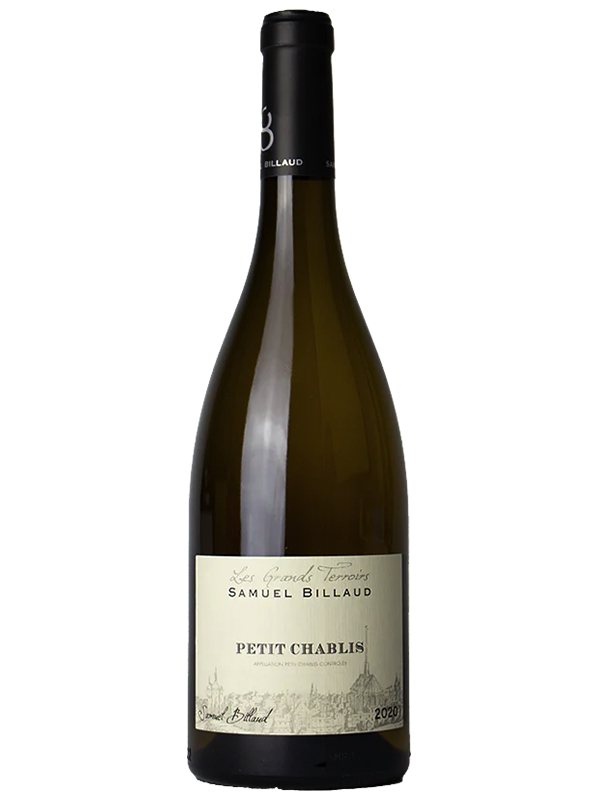
From the chiselled, flinty grace of Chablis and the poise of Puligny-Montrachet, to the polish of Margaret River and the crystalline precision emerging from New Zealand and northern Italy, today’s Chardonnay is a far cry from its buttery past life. When in the right hands, it offers wines of unmatched balance, character, and longevity.
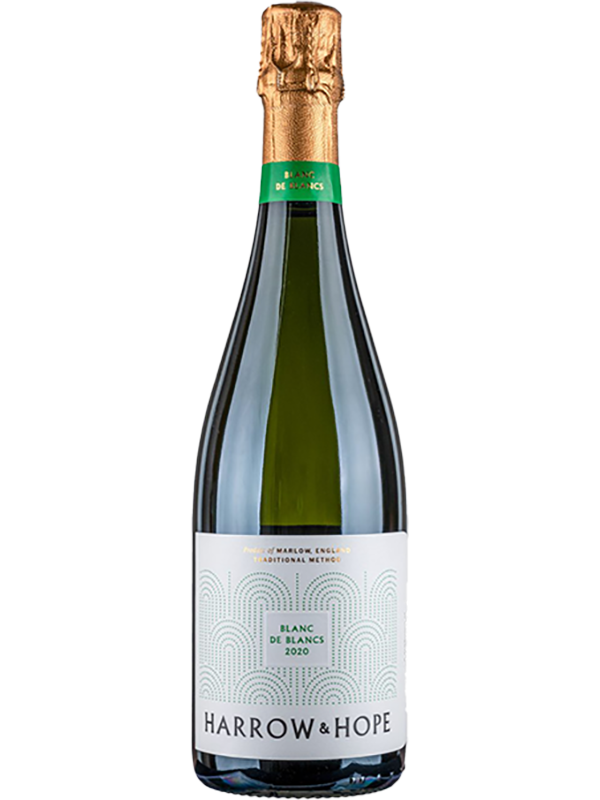
And let us not forget: Chardonnay is the backbone of great sparkling wine. In Champagne, it brings finesse, tension, and age-worthy elegance. The same can be said for England’s finest fizz, where our chalky soils and cool climate give Chardonnay a particularly steely, graceful voice.
For many, it ought not be Chardonnay that is the enemy. It is simply a classic that suffered a fashion faux pas.