

Bordeaux 2023: Vintage Profile
Bordeaux 2023s: A second look, now in bottle
Despite the recent malaise surrounding Bordeaux En Primeur, I still find great enjoyment in the process. Each April, I have the privilege of tasting hundreds of tank samples, and while the criticism levelled at the system has some merit, there is still something fascinating about previewing a great region in this fashion.
One of the most reasonable critiques, of course, is that we are tasting unfinished wines. When the trade and critics assess En Primeur samples, the wines still have many months of élevage ahead of them: a long stretch of oak and blending that can profoundly alter their final form. You are, in effect, buying promise rather than proof. Historically you were rewarded with keener pricing than when the wines were bottled, but that's not a given of late.
That is why this week’s tasting was so valuable. Each year, shortly after bottling, the Châteaux gather to present the finished wines, our first chance to revisit the same samples now fully fledged. This time, it was the turn of the 2023s.
The trio of 2022, 2023, and 2024 vintages has been a study in contrast. They cannot be neatly described without considering price bracket, so I have prepared a simple table below outlining how I see them, splitting my opinions based on the tiers in question.
Following the exuberant 2022s was never going to be straightforward. That vintage came with its share of fanfare (and invoices), producing powerful, sun-drenched wines of immense concentration: magnificent, if sometimes a touch hedonistic. By contrast, 2023 was a cooler, trickier year, yet one offering balance and a return to classical proportion. Much like 2016 after 2015, or 2010 after 2009, the so-called “lesser” vintage may in time prove the wiser buy depending on tastes. With the final blends now in bottle and critics’ scores soon to emerge, it feels like the right moment to look again, selectively but seriously, at the 2023s.
Tasting impressions
What struck me most was how well the tannins have integrated. I had wondered whether, after the lushness of 2022, 2023 might feel lean or austere once bottled. Quite the opposite. The tannins, in most cases, were supple, ripe, and attractively fine-grained. Only at the more affordable end, where 2022 generally still holds the edge, did I find the odd rustic touch.
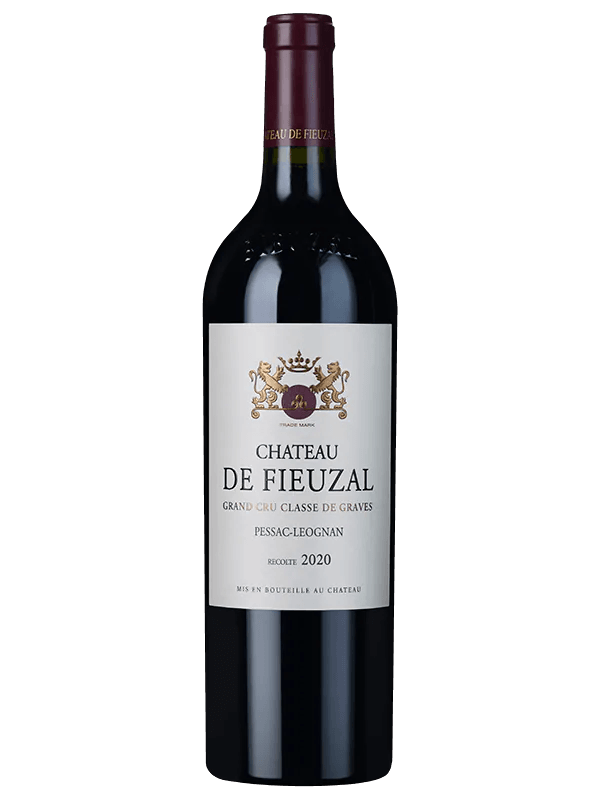
At the more affordable end, highlights included Fourcas Dupré, Montlandrie and de Fieuzal, all wonderfully polished and expressive. The former, in particular, may be one of the best Listracs I have tasted in years, a far cry from the green, sinewy versions of the late 1990s which still cause me trauma these days! Château Siran from Margaux was arguably my pound-for-pound wine of the day, utterly captivating.
As you move up the price ladder, the strengths of the vintage become more apparent. Greater resources meant greater, relative success, and there were some smashing wines. Grand-Puy-Lacoste, Langoa-Barton (I still do a double take seeing this priced at just £177 per 6), Marquis d’Alesme, Rauzan-Ségla and Beauséjour-Bécot showed beautifully. Although I didn't have the chance to try Clinet myself, several palates I thoroughly trust raved about it.
The First Growths did not pour at this stage, but there was plenty to admire at the top end. Some highlights included Pichon-Lalande, Pichon-Baron, Canon, and Carmes Haut-Brion.